Best Dental Hygiene Appointment Management Tools for 2026
Streamline dental hygiene scheduling, reduce no-shows, and boost your team’s efficiency with top dental hygiene appointment management tools.
Share:
Table of contents
Introduction: Why Dental Hygiene Appointment Management Matters
An empty hygiene chair isn’t just a gap in the schedule; it’s lost revenue, wasted clinical time, and a missed opportunity to strengthen patient relationships.
Keeping the hygiene schedule consistently full is critical for generating steady revenue and supporting overall production goals. Every unfilled hygiene slot represents lost income and missed opportunities to diagnose, educate, and reappoint patients for future care.
Dental hygiene appointment management tools have become essential for modern dental practices. Hygiene schedules drive predictable revenue, patient retention, and day-to-day workflow stability. Done well, scheduling is more than “booking time.” It supports consistent recall cycles, reduces front-desk load, and helps hygienists stay prepared with the right time blocks and patient details.
Patient experience also starts at scheduling. Automated confirmations, friendly reminders, and simple rescheduling options reduce friction and help patients feel cared for. When routine communication is handled automatically, your team can focus on what matters most: high-quality care and meaningful relationships.
What Are Dental Hygiene Appointment Management Tools?
Dental hygiene appointment management tools are scheduling and communication systems designed specifically for preventive visits.
Unlike generic calendars, these platforms account for hygiene-specific needs with appointment duration differences, provider availability, recall intervals, and pre-visit preparation.
Hygiene-focused tools specialize in the “rhythm” of preventive care: recall cycles, chair-time optimization, and appointment sequencing that keeps the day running smoothly.
Core Functions and Capabilities
Most hygiene scheduling solutions include:
-
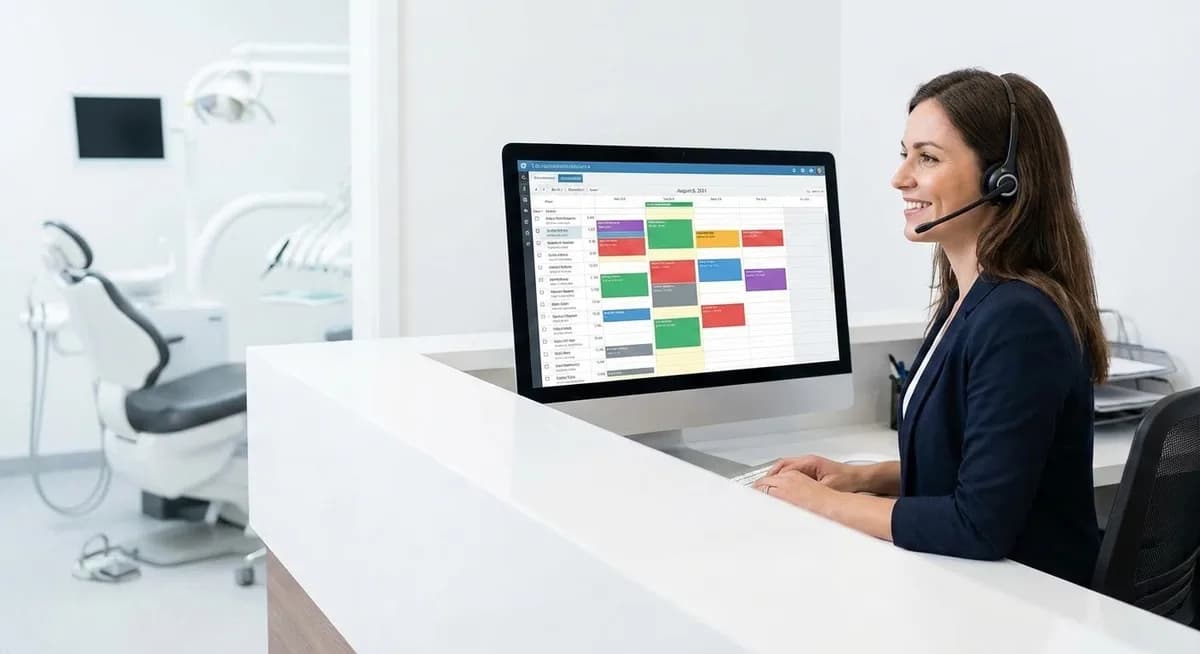
Smart scheduling and calendar controls: drag-and-drop booking, color-coded appointment types, real-time availability, and buffer-time rules.
-
Recall and reactivation workflows: tracking due dates and automatically launching outreach sequences.
-
Patient communication: confirmations, reminder campaigns, and two-way messaging.
-
Integrations: syncing with practice management software so schedules, patient info, and notes remain consistent across systems.
-
Reporting: utilization, cancellation/no-show trends, and capacity insights by hygienist, day, or location.
How These Tools Support Dental Teams
Most hygiene scheduling solutions include:
-
Smart scheduling and calendar controls: drag-and-drop booking, color-coded appointment types, real-time availability, and buffer-time rules.
-
Recall and reactivation workflows: tracking due dates and automatically launching outreach sequences.
-
Patient communication: confirmations, reminder campaigns, and two-way messaging.
-
Integrations: syncing with practice management software so schedules, patient info, and notes remain consistent across systems.
-
Reporting: utilization, cancellation/no-show trends, and capacity insights by hygienist, day, or location.
Who Benefits Most From Better Dental Hygiene Appointment Management Tools?
Dental hygiene appointment management tools improve outcomes for the entire practice, but each role benefits in different ways.
Hygienists
-
Hygienists benefit from fuller schedules, fewer last-minute gaps, and more predictable daily flow.
-
Better recall and waitlist tools reduce empty chair time and help maintain consistent production.
-
Stronger confirmations and reactivation workflows reduce no-shows that disrupt patient care routines.
Office Managers
-
Office managers benefit from clearer visibility into hygiene KPIs like reappointment rate, overdue recall volume, and no-show trends.
-
Automation reduces front office workload and supports staffing stability without constantly adding coverage.
-
Reporting tools make it easier to identify bottlenecks, coach the team, and improve consistency.
Dentists and Practice Owners
-
Dentists and owners benefit from improved patient retention and more stable hygiene-driven production.
-
Stronger recall systems protect long-term revenue by reducing the number of inactive patients.
-
Efficient scheduling and communication tools improve patient experience and strengthen practice growth.
Front Desk Team
-
Front desk teams benefit from fewer manual calls, less phone tag, and fewer interruptions during peak hours.
-
Two-way texting, confirmations, and automated rescheduling reduce repetitive tasks and stress.
-
Call handling and AI support tools help capture hygiene appointment requests faster, especially during overflow and after hours.
Key Features to Look For in Hygiene Scheduling Software
Must-have features
-
Automated recall management (due-date tracking + outreach)
-
Reliable calendar management (easy scheduling, visibility, and controls)
-
Integration with your existing systems (to avoid duplicate entry and errors)
-
Customizable reminders (timing, channels, and message templates)
-
Permission controls (secure access by role)
Nice-to-have features (valuable if they don’t add complexity)
-
Patient mobile apps
-
Digital forms and automated intake workflows
Patient-Facing Features
Patient experience improves most when tools include:
-
Online booking with real-time availability
-
Multi-channel reminders (text, email, phone—based on preference)
-
Self-service rescheduling to reduce phone volume
-
Digital intake forms to keep health history current
-
Two-way messaging for quick questions and confirmations
Staff and Operations Features
Operational features that usually deliver the biggest ROI:
-
Real-time schedule monitoring (fast response to gaps and cancellations)
-
Waitlist automation (fill openings without manual outreach)
-
Reporting dashboards (no-shows, utilization, production-adjacent hygiene KPIs)
-
Billing and coding alignment (as supported by your existing systems)
-
Role-based access (security without slowing staff down)
Comparing Common Dental Hygiene Appointment Tools
Most options fall into three categories:
1) Standalone scheduling tools
Standalone scheduling tools focus exclusively on appointment management, without handling billing, treatment planning, or other practice functions.
Best for practices that like their current practice management platform but need stronger hygiene scheduling, recall automation, or patient communication.
2) All-in-one practice platforms
All-in-one dental practice platforms such as Dentrix, Eaglesoft, and Open Dental incorporate appointment management as one component of comprehensive practice management suites.
Best for practices that want one vendor and one system for scheduling, records, and billing, often simpler operationally, though scheduling depth may be “good” rather than best-in-class.
3) AI-assisted reception tools
AI-assisted reception tools represent an emerging category that combines appointment management with intelligent patient communication. These systems use artificial intelligence to handle routine scheduling requests. They also answer common questions and manage appointment confirmations.
Best for high-call-volume practices or teams that want after-hours scheduling support. These tools can handle routine booking requests and FAQs when configured carefully.
| Tool Type | Best For | Integration Level | Hygiene Focus |
|---|---|---|---|
| Standalone Scheduling | Practices with existing PMS | Moderate | High |
| All-in-One Platforms | New practices or major upgrades | Complete | Variable |
| AI-Assisted Tools | High-volume practices | Good | Growing |
When comparing specific solutions, practices should evaluate each tool's ability to handle hygiene-specific workflows. This includes features like recall management, hygienist assignment preferences, and integration with clinical documentation systems.
The most effective dental hygiene appointment management tools understand the nuances of preventive care delivery and optimize scheduling accordingly.
How to Implement Appointment Management Tools Step by Step
1) Audit your current workflow
Document how you schedule, confirm, manage recalls, and handle cancellations. Identify pain points (no-shows, phone volume, capacity gaps) and set measurable goals.
This baseline assessment provides the foundation for configuration decisions. It also helps establish realistic expectations for system benefits.
2) Plan and validate data migration
Export patient data, appointment history, recall status, and provider preferences. Validate the migrated data before going live, especially recall intervals and future appointments.
Most dental hygiene appointment management tools provide migration assistance, but practices should verify that all essential information transfers correctly before going live.
3) Prepare your dental team
-
Communicate the “why” and the timeline clearly.
-
Identify internal champions to support adoption.
-
Train in phases: core scheduling first, then recalls, then advanced features.
-
Provide quick-reference guides and backup procedures during rollout.
4) Launch gradually and optimize
A soft launch implementation involves running the new dental hygiene appointment management tools alongside existing systems for a limited period.
This allows staff to become comfortable with new processes while maintaining operational stability.
A soft launch reduces risk and runs parallel systems briefly if needed. Turn on features in stages so staff aren’t overwhelmed. Review metrics monthly and adjust rules, templates, and workflows based on real usage.
The KPIs That Tell You If Your Hygiene System Is Working
KPIs show whether hygiene scheduling is predictable, profitable, and patient-friendly.
Track them monthly and review results by provider, day, and location.
1- Hygiene reappointment rate (patients scheduled for next visit before leaving)
This rate shows who books the next hygiene visit before leaving the office.
Calculate: reappointed patients ÷ completed hygiene visits.
If it drops, standardize checkout scripts and prompt scheduling before the patient stands up.
2- Recall effectiveness (overdue patients contacted vs booked)
Recall effectiveness shows how outreach converts overdue patients into booked appointments.
Track contacted patients versus booked patients, segmented by days overdue.
If contacts are high but bookings lag, simplify booking links and tighten follow-up timing.
3- No-show and late cancellation rate for hygiene appointments
These rates reveal day-of schedule disruption and revenue leakage.
Track no-shows and cancellations within 24 hours as separate metrics.
Reduce them with layered reminders, easy rescheduling, and an active short-notice waitlist.
4- Schedule utilization (open chair time and short-notice gaps)
Utilization measures filled chair time versus available hygiene capacity.
Watch open time, same-day gaps, and unfilled blocks by hour.
Improve utilization using waitlist automation, smarter block templates, and targeted recall pushes during slow weeks.
5- Response time to inquiries (calls, texts, web requests)
Response time shows how quickly patients can reach your team and get scheduled.
If response times slip, centralize inboxes and use templates or after-hours support.
Real-World Scenarios: Hygiene Scheduling in Action
Understanding how dental hygiene appointment management tools perform in real-world situations helps practices evaluate their potential impact and identify the most suitable solutions for their specific circumstances.
This practical example demonstrates the tangible benefits that well-implemented systems can provide across different practice types and operational challenges.
Reducing No-Shows in a Busy Practice
Doctor Rahim’s practice with multiple hygienists had seen missed appointments due to forgetfulness or last-minute conflicts.
Automated reminders using an AI receptionist system (e.g., 72 hours, 24 hours, and 2 hours prior) reduced no-shows by giving patients easy ways to confirm or reschedule. As attendance improves, hygienists experience fewer gaps, and the front desk spends less time on manual confirmation calls.
Choosing the Right Tool for Your Hygiene Team
Selecting the right dental hygiene appointment management tool starts with understanding your practice’s specific needs, current systems, and long-term growth strategy.
The most successful implementations happen when technology supports, not disrupts, your existing workflow and patient expectations.
Different priorities require different solutions:
- Practices focused on reducing no-shows should prioritize platforms with strong reminder systems, recall automation, and active waitlist management.
- Those aiming to improve operational efficiency should look for robust automation, analytics, and seamless integrations that reduce manual front-desk tasks.
When evaluating vendors, consider:
-
Fit for your patient volume and hygiene model
-
Integration requirements and implementation complexity
-
Training resources and ongoing customer support
-
Total cost of ownership, not just monthly subscription fees
Many vendors offer trial periods or pilot programs. Taking advantage of these allows your team to assess real-world usability, workflow impact, and return on investment before committing long-term.
Conclusion
A consistently full hygiene schedule protects revenue, supports production goals, and strengthens patient relationships. The right appointment management system makes that consistency easier to achieve.
Strong tools combine smart scheduling, automated recalls, and patient-friendly reminders. Together, these reduce no-shows, shrink schedule gaps, and improve the experience from booking to check-in.
Choose a solution that fits your current systems and your biggest priority: no-show reduction, recall compliance, or operational efficiency. Then roll it out in phases, train the team well, and review performance monthly to keep improving results.
Frequently Asked Questions
Dental hygienists typically use comprehensive practice management software like Dentrix, Eaglesoft, and Open Dental for scheduling. These platforms offer specialized hygiene modules with recall management, appointment blocking, and patient communication features. Cloud-based solutions like Weave and Solutionreach are also popular for their mobile accessibility and automated reminder capabilities.
Dental offices manage hygiene appointments through integrated scheduling systems that coordinate with treatment schedules, track recall intervals, and automate patient communications. Most practices use color-coded appointment blocks, automated reminder systems, and waitlist management to optimize hygiene chair utilization while maintaining consistent preventive care schedules for patients.
Yes, appointment management tools significantly reduce no-shows through automated SMS and email reminders, online rescheduling options, and confirmation requests. Research shows that practices using these tools can reduce no-show rates by up to 30%, as patients receive multiple touchpoints and can easily reschedule conflicts without calling the office.
Yes, most modern dental hygiene appointment management tools are designed to integrate seamlessly with major PMS platforms like Dentrix, Eaglesoft, and Open Dental. This integration is crucial as it allows for real-time data synchronization, ensuring that patient records and appointment schedules are consistent across all systems. Before choosing a tool, it's essential to verify its specific integration capabilities with your practice's existing software.
The learning curve is generally manageable, as these tools are designed with user-friendly interfaces. Most vendors provide comprehensive training and support during the implementation process. Front-desk staff may adapt to core functions within a few days, while full mastery of advanced features might take a few weeks. Successful adoption depends on role-specific training and clear communication from practice leadership.
Was this article helpful?
Written by
DentalBase Team
Expert dental industry content from the DentalBase team. We provide insights on practice management, marketing, compliance, and growth strategies for dental professionals.